Phetchaburi Uncovered: A Cultural Walk Through Art, Heritage, and Sacred Relics
Phetchaburi is one of Thailand’s most diverse provinces, offering a rare combination of natural landscapes and cultural heritage. To the west lies the vast forest of Kaeng Krachan National Park, a UNESCO-recognized natural heritage site. To the east, the province meets the Gulf of Thailand, with well-known coastal destinations such as Puek Tian Beach, Chao Samran Beach, and Cha-am, which connects seamlessly to Hua Hin.
Beyond its natural attractions, Phetchaburi is equally renowned for its historical and religious significance. Landmarks such as Phra Nakhon Khiri (Khao Wang), with its royal palace and temple complex, reflect the city’s longstanding importance. However, for those interested in experiencing the city in a more intimate and accessible way, a short walking route through the old town offers a meaningful introduction to its cultural layers.
A Compact Cultural Route
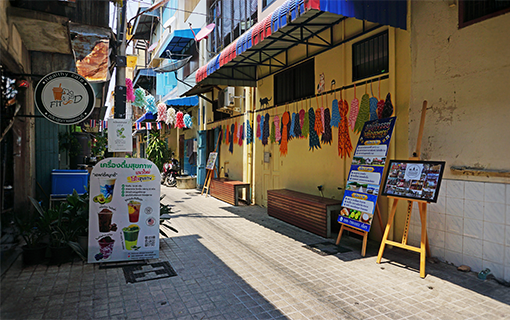
The entrance to the riverside community along the Phetchaburi River.
This walking route forms a gentle loop of no more than two kilometers, beginning at the main bridge crossing the Phetchaburi River and concluding at Wat Mahathat Worawihan. The route is suitable for visitors seeking a slower, more immersive experience of the city’s local life, architecture, and religious heritage.
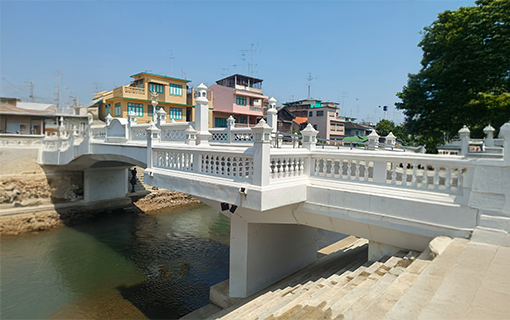
A view of the bridge crossing the Phetchaburi River, seen from Sunthorn Phu Memorial Park looking back toward the fresh market.
From the bridge, visitors enter a narrow riverside alley that reveals a quieter side of Phetchaburi.
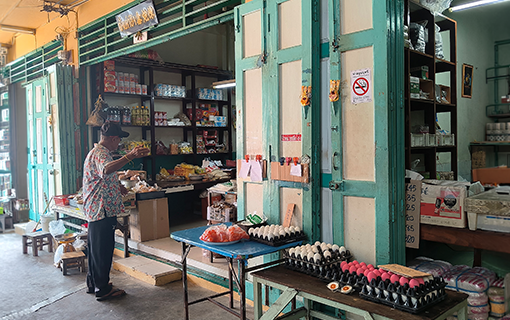
Historic row houses in the Phetchaburi riverside community.
The pathway is lined with traditional shop houses and long-established businesses, including pastry shops, tailoring services, kitchenware stores, and vendors of handcrafted goods.
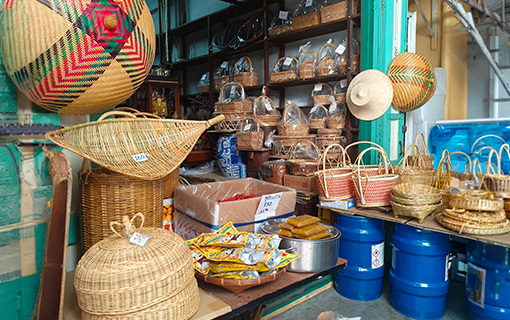
A traditional basketry shop within the riverside community.
The atmosphere reflects a continuity of everyday life that has remained largely unchanged over time.
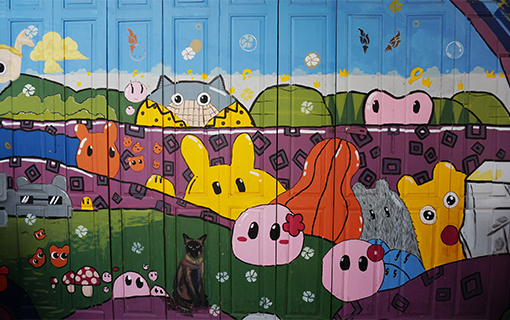
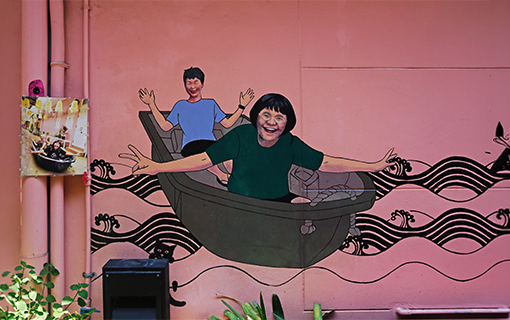
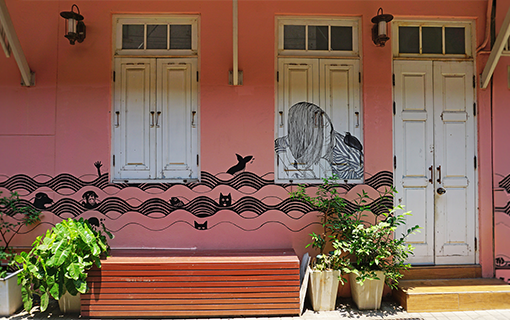
Colorful street art along the walls of the Phetchaburi riverside community.
Adding a contemporary dimension to the setting, colorful murals and street art appear along the walls throughout the alley. These artworks, depicting people, animals, and local scenes, create a subtle dialogue between tradition and modern expression. Notably, images of cats appear frequently, reflecting the presence of many resident cats in the area.
Local Culinary Highlights
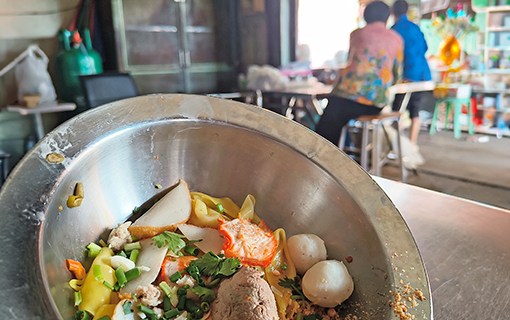
Jay Ni Pork Noodle Shop, a well-known local eatery.
Along this route, visitors may pause at local eateries that are well regarded within the community.
Jay Ni Noodle Shop is a long-established riverside restaurant, popular among residents from morning through the afternoon.
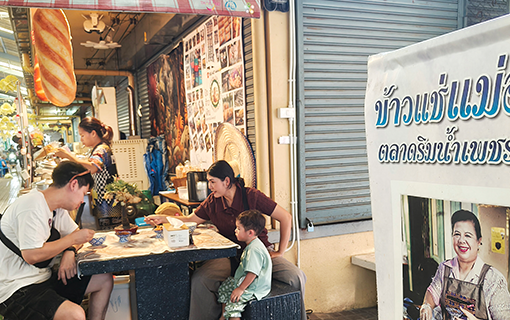
Mae On Khao Chae, serving a traditional Phetchaburi specialty.
Nearby, Mae On Khao Chae offers a traditional Phetchaburi specialty, rice soaked in chilled, fragrant water, served with carefully prepared side dishes. This dish, particularly suited to the warm climate, reflects the culinary heritage of the region.
Crossing to the Historic Core
Continuing along the alley, visitors will reach a local fresh market situated opposite Sunthorn Phu Memorial Park. A white pedestrian bridge connects the two sides of the river, offering a convenient crossing point.
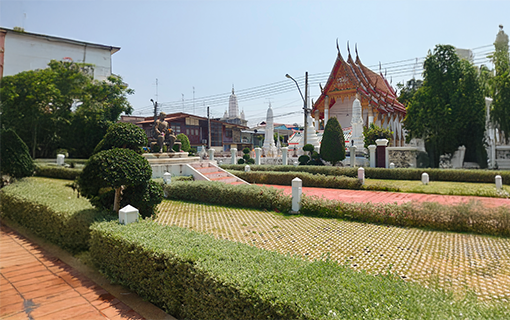
The Sunthorn Phu Monument at Sunthorn Phu Memorial Park, located within the grounds of Wat Phlapplachai
From here, the route leads toward Wat Phlapplachai, where visitors can explore a viharn housing traditional Nang Yai shadow puppets displayed along the interior walls.
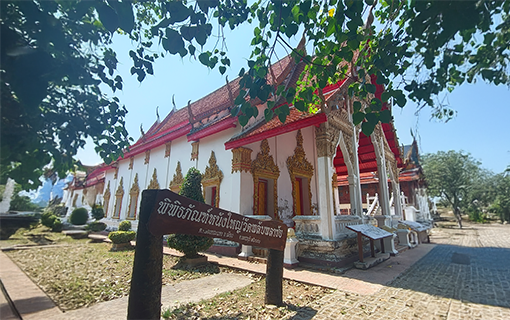
The viharn of Wat Phlapplachai.
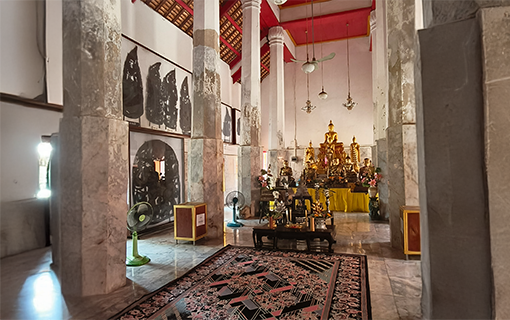
Traditional Nang Yai shadow puppets displayed inside the viharn at Wat Phlapplachai.
These intricately crafted pieces represent a classical Thai art form and provide insight into the region’s artistic traditions.
Nearby, a shrine dedicated to Hanuman stands along the path, notable for its uniqueness and rarity.
A Moment of Pause
Sunthorn Phu Memorial Park offers an open and tranquil space along the river. With views back toward the market and bridge, it provides a natural point for rest before continuing the walk. The setting is particularly pleasant in the late afternoon, when the temperature is more moderate and the light softens across the river.
Wat Mahathat Worawihan
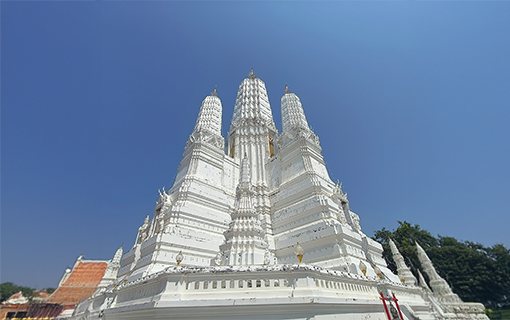
The five Khmer-style prangs at Wat Mahathat Worawihan, believed to date back approximately 1,900 years
The final destination of the route is Wat Mahathat Worawihan, one of the most significant temples in Phetchaburi, with origins dating back to the Ayutthaya period. The temple complex is expansive, featuring several important structures arranged in a traditional layout.
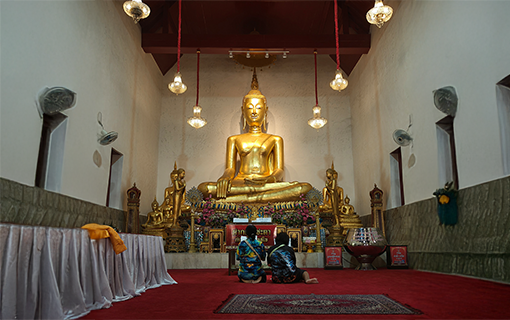
The principal Buddha image inside the ordination hall of Wat Mahathat Worawihan.
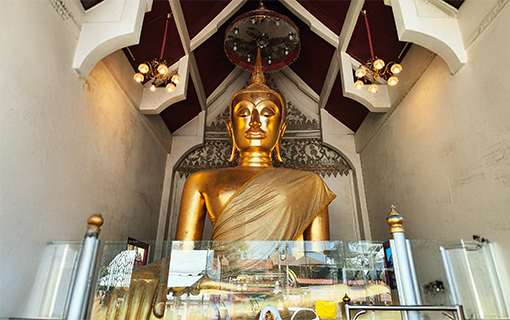
The U-Thong Buddha image enshrined in the smaller viharn at Wat Mahathat Worawihan.
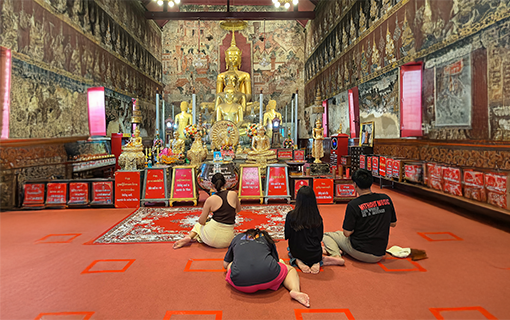
The principal Buddha image inside the main viharn of Wat Mahathat Worawihan.
The most prominent feature is the group of five prangs, constructed in a Khmer architectural style and visible from a distance. Within the complex, visitors may proceed through the ordination hall, the smaller viharn housing Luang Pho U-Thong, and the main viharn, where the principal Buddha image is enshrined.
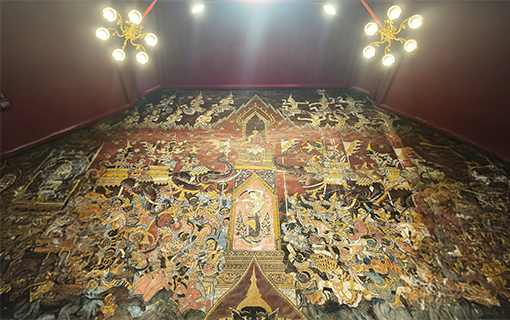
Intricate mural paintings adorning the interior walls of the viharn at Wat Mahathat Worawihan.
The interior walls are adorned with finely detailed mural paintings that merit close observation.
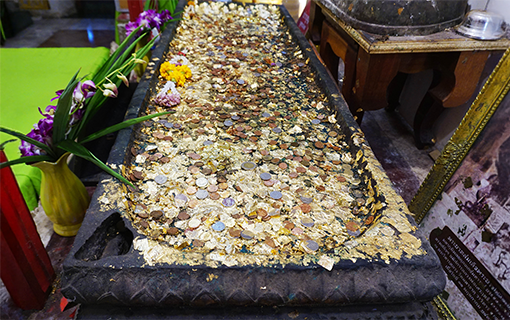
A replica of the Buddha’s footprint housed within the temple complex of Wat Mahathat Worawihan.
Behind the main viharn lies the cloister, where a replica of the Buddha’s footprint is housed. From here, visitors may approach the central prang.
The Buddha Relics
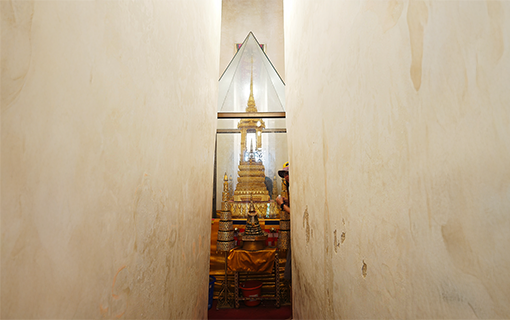
Sacred Buddha relics enshrined within the central prang of Wat Mahathat Worawihan.
At the upper section of the principal prang, sacred Buddha relics are enshrined. Visitors are permitted to ascend and pay their respects, marking the spiritual culmination of the journey.
Afterward, walking around the cloister and viewing the prangs from different perspectives allows for a fuller appreciation of the architectural composition and religious significance of the site.
A Meaningful One-Day Experience
This walking route through Phetchaburi demonstrates how a relatively short distance can encompass a wide range of experiences, from local daily life and culinary traditions to artistic expression and sacred heritage.
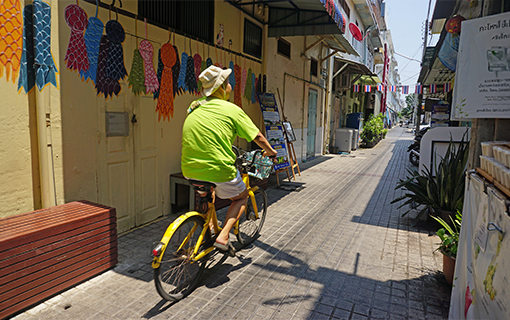
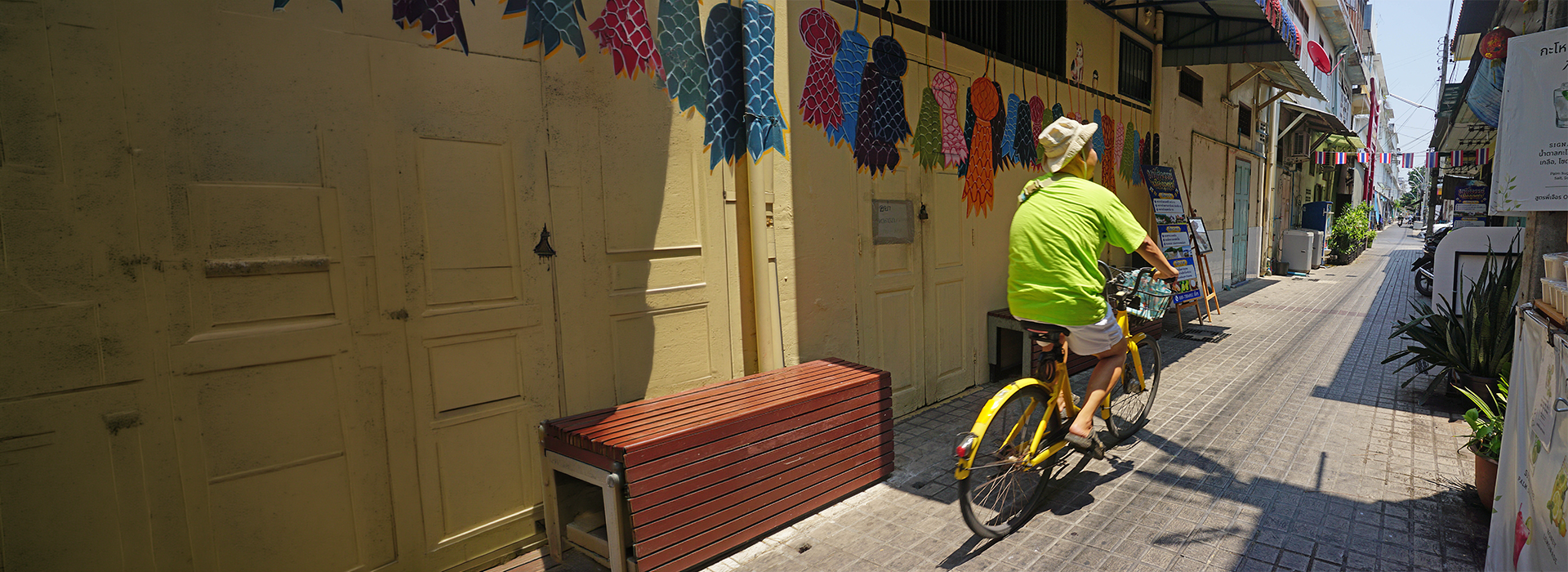
Community exploration can also be enjoyed by bicycle as an alternative to walking.
It is a journey that does not require extensive time, yet offers a depth of insight into the character of the city, making it a rewarding option for those seeking a thoughtful and culturally grounded travel experience.
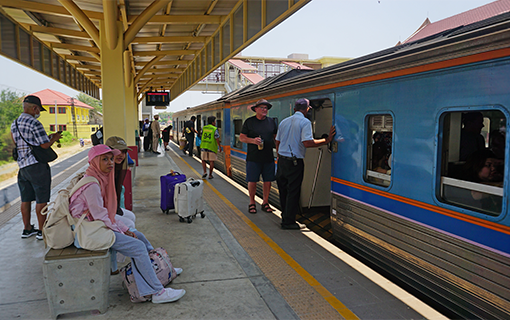
Phetchaburi is accessible by private car, public van services, and train.
Discover more thoughtfully curated journeys with Pacific Leisure, where every experience connects you to the culture, community, and stories of each destination.
Editor in Chief : Nampetch Siramanon
Editor: Pacific Leisure (Thailand)
Content Creator : Mr. Saroj Na Ayutthaya
Navigate
Terms & Privacy
Pacific Leisure (Thailand) Limited
No. 888/154, Mahatun Plaza Bldg., 15th Floor,
Ploenchit Road, Lumpini, Pathum Wan,
Bangkok 10330, Thailand
Phone : +66 22 542 966
Mobile : +66 63 224 1384, +66 81 138 2983
Email : info@pacificleisureth.com
Website : https://www.PacificLeisureTH.com
(TAT) Licensed No: 11/00161